Tunisia officially known as the Tunisian Republic, is a country in
Northern Africa that has a Mediterranean Sea Coastline in the
very center of Mediterranean Africa. Tunisia lies immediately to
the south of Italy and Malta, Libya borders Tunisia to the south east, while Algeria lies to the west.
Tunisia is perhaps most famous for its wide array of historical
attractions, including the ancient city of Carthage in Tunis. Temperate in north with mild, rainy winters and hot, dry
summers; desert in south. The Tunisian Sahara is quite gentle
compared with other deserts, climate-wise. Tunisia is best visited
in late spring or late autumn.
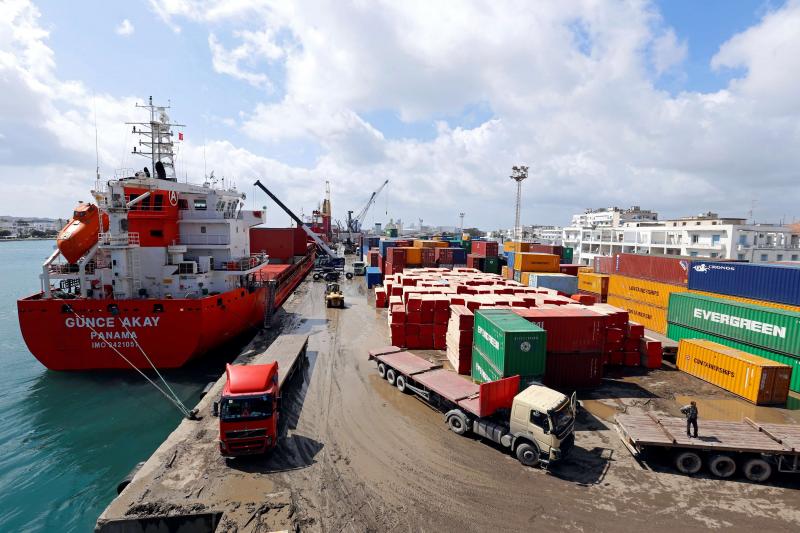
Free Trade Agreements
Approximately 70
% of Tunisia’s trade is with the European Union. Tunisia is
the EU's 35th biggest trade partner, representing
0.5% of the EU's total trade
with the world in 2020.
Tunisia has signed
a number of agreements to facilitate trade and to guarantee
investments and trade in goods
. The Agadir Agreement,
a framework
agreement with Egypt, Jordan, and Morocco signed in 2004, allows free trade
among the signatory countries.
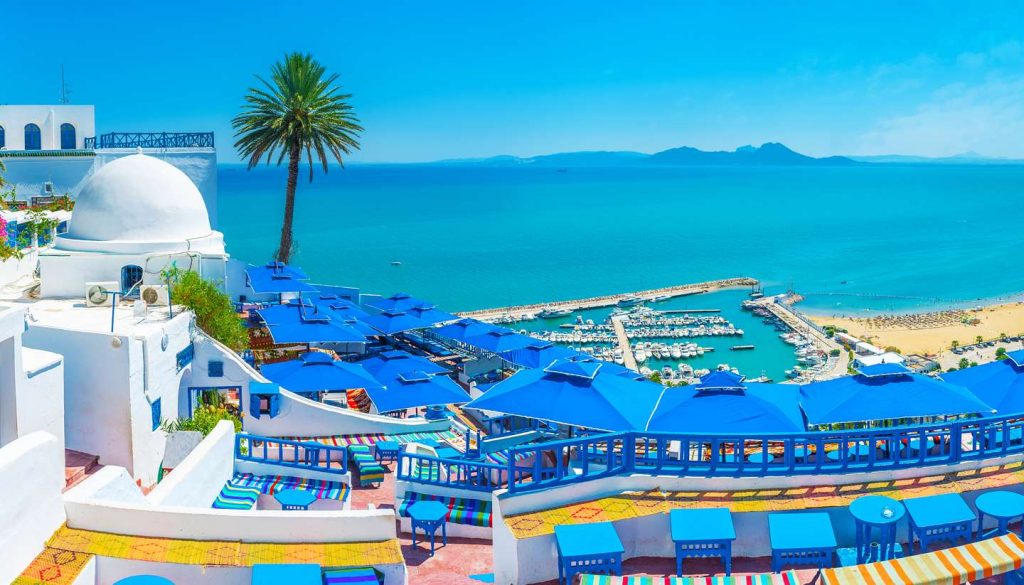
Tourism
Tourism in Tunisia is an industry that generates around
9.4 million arrivals per
year, which makes it one of the most visited countries in Africa.
Among Tunisia's tourist attractions are its cosmopolitan capital city of Tunis,
the ancient ruins of Carthage, the Muslim and Jewish quarters of Djerba, and coastal resorts outside Monastir.
According to The New York Times, Tunisia is "known for its golden beaches,
sunny weather and affordable luxuries
.
"
Economy
Tunisia’s economic growth historically has depended on oil, phosphates, agri-food products, car parts manufacturing, and tourism.
In the World Economic Forum Global Competitiveness Report for 2015
–
2016
, Tunisia ranks in 92nd place
. Based on HDI latest report (for 2014),
Tunisia ranks 96th globally and
5th in Africa.
Imports:
Petroleum Gas, Low-Voltage
Protection Equipment, Cars,
Pharmaceuticals and Medical
Equipment, Refined Petroleum